
Why shared boats fail: what to settle beforehand
Reading time: about 8 minutes
“That has never worked.” “Some friends of ours tried it and it went wrong, nothing but arguments.” If you are thinking about a shared boat, you will hear lines like these on the pontoon. And they are right: shared boats can fail. What they fail over keeps repeating: cleanliness, the high season, damage, leaving and money.
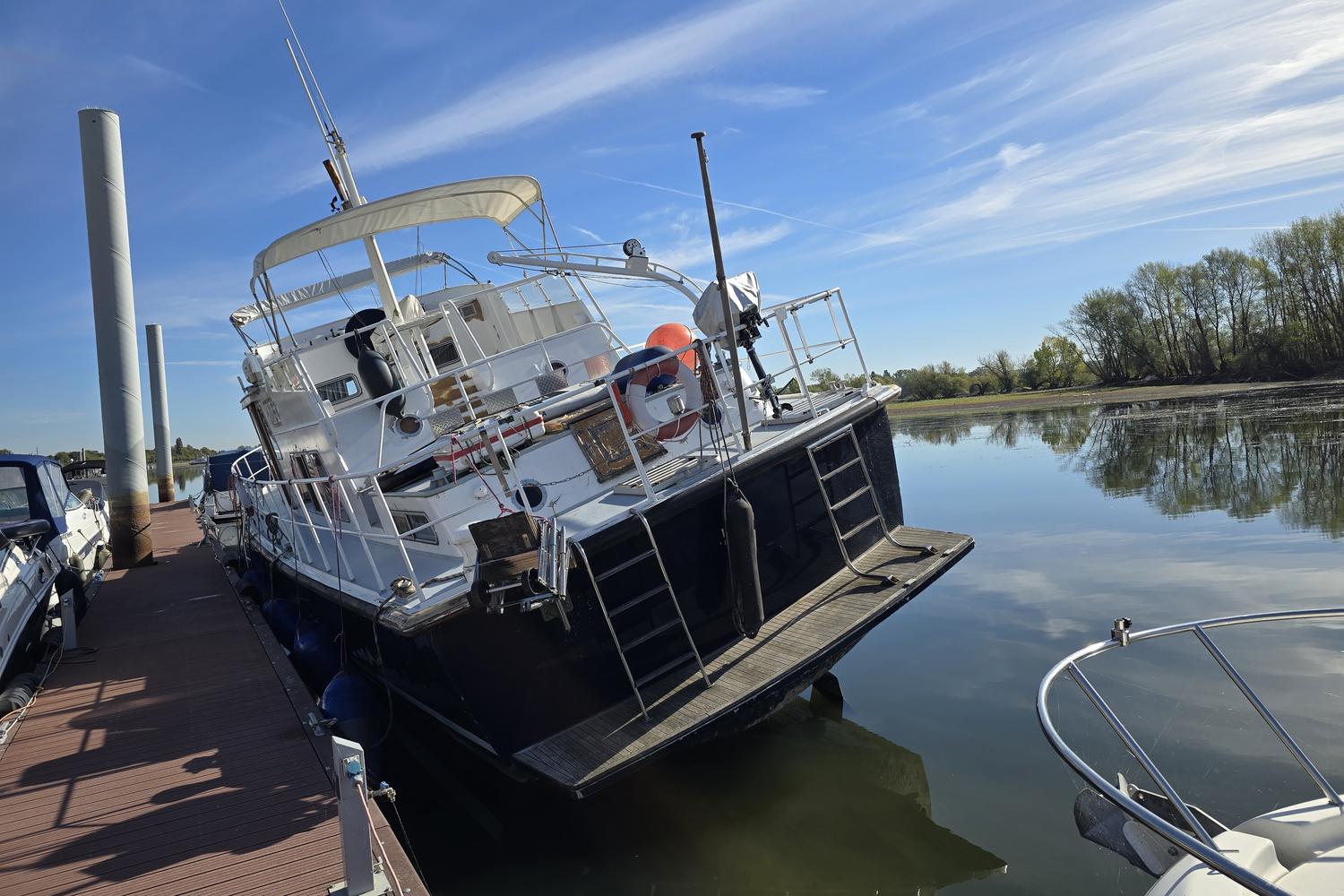
Whether it works depends on the people and on what has been settled in advance.
This article goes through the five topics one by one: what happens, why, what you settle before buying to prevent it and where you can read more. The rules come from the template of the Living Contract (co-owner agreement). That is the contract the co-owners in a co-owner group conclude among themselves. Where the template lays nothing down, it says: you set that yourselves.
PartABoat brings together buyers and sellers of shares in used boats, as fractional co-ownership.
1. Cleanliness: how clean is clean?
“The other one never cleaned properly.” That sort of thing happens quickly. One owner hands over the boat tidy and swept, the other expects aired upholstery and a dry bilge, and both consider themselves tidy people. Usually nobody had set out beforehand what clean means and how the boat is handed over. Then everyone measures by their own standard, and small things turn into trouble.
What clean means, who cleans what and how the boat is handed over, you set down in writing before buying. That includes the fuel level at handover and what applies if someone does not keep to the standard. After each use you keep a logbook recording engine hours, consumption, damage and anything unusual; that is what the template provides for.
You have to clean anyway, even if the boat is yours alone. One rule takes a lot of the pressure out of it: whoever leaves, leaves the boat swept and tidy, and whoever arrives cleans thoroughly before unpacking. On the day you leave there is often no time because the flight is waiting, and then something gets left, with no ill intent. If instead whoever arrives does the cleaning, they get the boat as clean as they want it for their weeks, and the day of departure is calmer. Everyone benefits.
What you should talk about before buying, so that your expectations fit together, is set out in Finding co-owners: how it works.
2. High season: everyone wants August

In August everyone wants to be on the water, and if you have children you can only go in the school holidays. Naturally the wishes overlap. Usually the only agreement was to share the time fairly, but not who gets which weeks and how that changes the next year. Then whoever asks first gets the weeks, and the others feel passed over.
The template allocates the high-season weeks by share and rotates the allocation every year according to a fixed pattern, so that over the years everyone gets the same periods. You decide which weeks count as high season; with July and August, a quarter share is entitled to at least two weeks under our template. After that you change the pattern only unanimously, and weeks someone does not use, you can swap among yourselves or pass on.
Whether your holiday times fit together is best worked out before buying. More on this in the frequently asked questions: What if everyone wants to go during the summer holidays at the same time?
3. Damage: who pays for the scratch?
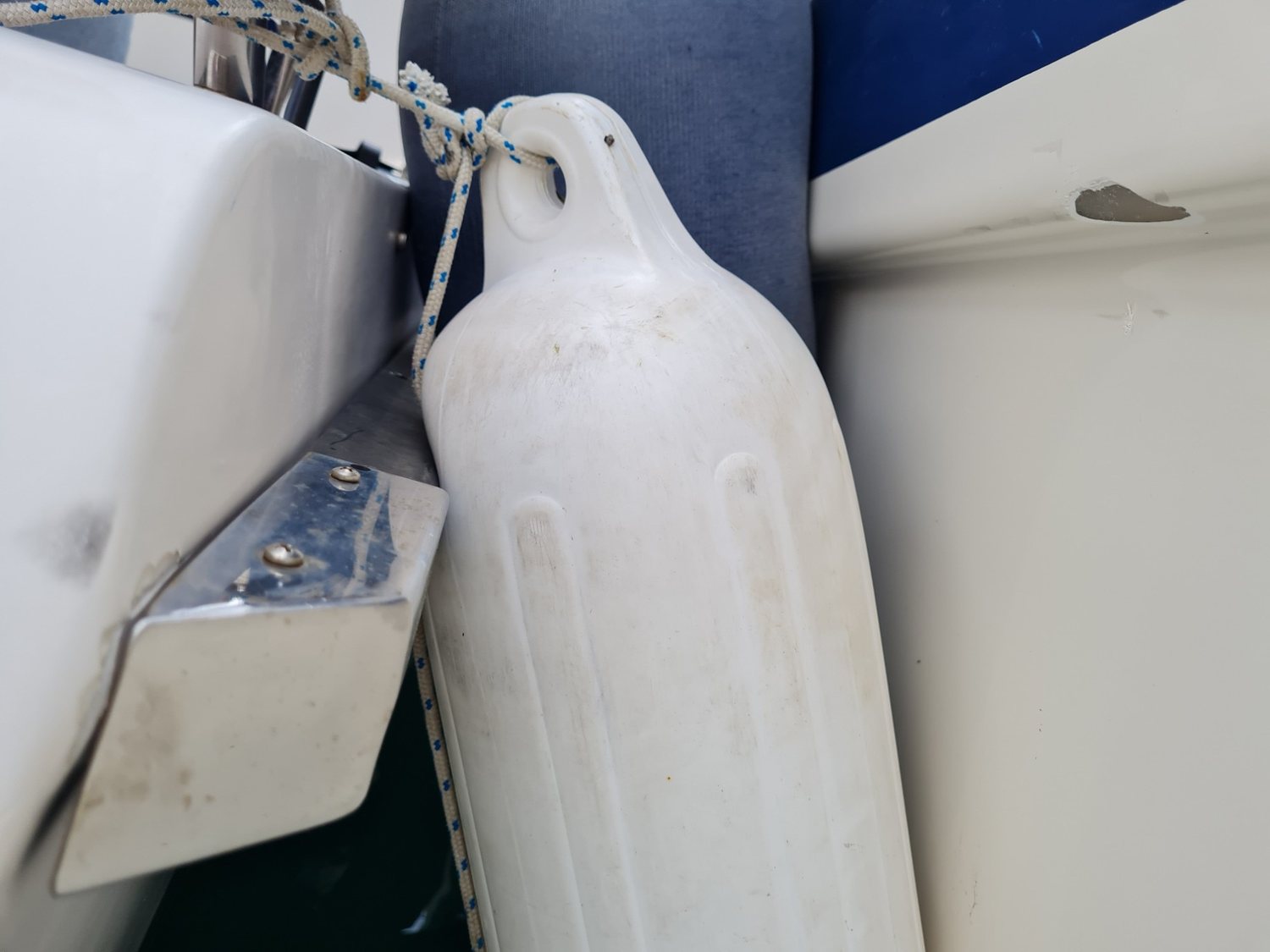
A scratch on the hull, and nobody knows when it got there. It happens, and not all damage has a culprit: it comes from an unfamiliar marina and is only noticed when the boat is lifted out, or it is simply wear. It usually only becomes a dispute because nobody had set out beforehand how damage is reported and who pays for it.
The template provides for you to record in the logbook after each use any damage and anything unusual. The boat must be insured at all times, at least with third-party liability and hull insurance, and the insurance must cover use by all co-owners and by the people you allow. You build up a reserve for maintenance and replacement. How high the sums insured are and whether you agree an excess per incident, you set yourselves. Anyone who culpably causes damage is liable to the others for it under the general rules.
For a sense of scale: according to market research, unplanned repairs come to €1,000–3,000 per boat per year. As a quarter owner you bear €250–750 of that a year, as a half owner €500–1,500.
What to do when damage occurs and who pays as a rule is set out in Damage to the boat: what to do now and who pays. How liability, insurance and reserve work together is covered in the chapter on liability in Buying a boat together: legal basics and process.
4. Leaving: when someone wants out
 Someone wants out, because their job changes, or their family, or they have lost the appetite for it, and suddenly the whole boat is up for debate. That can happen to anyone. Usually there was no rule for leaving, and then the law applies: every co-owner can demand at any time that the co-ownership be ended, and in the worst case the whole boat is sold.
The template settles leaving in stages. Anyone can sell their share; they give the others notice of this beforehand in text form. The other co-owners can take over the share themselves within 30 calendar days. If nobody takes it over, a new co-owner joins, whom the others can reject only for good cause relating to that person. A co-owner can demand dissolution of the whole co-ownership only after three years from the transfer of ownership, with six months’ notice expiring on 31 October, or earlier for good cause.
How selling a share works step by step, and where a contract reaches its limits, is set out in Selling your boat share: leaving the co-owner group.
5. Money: when a bill is coming
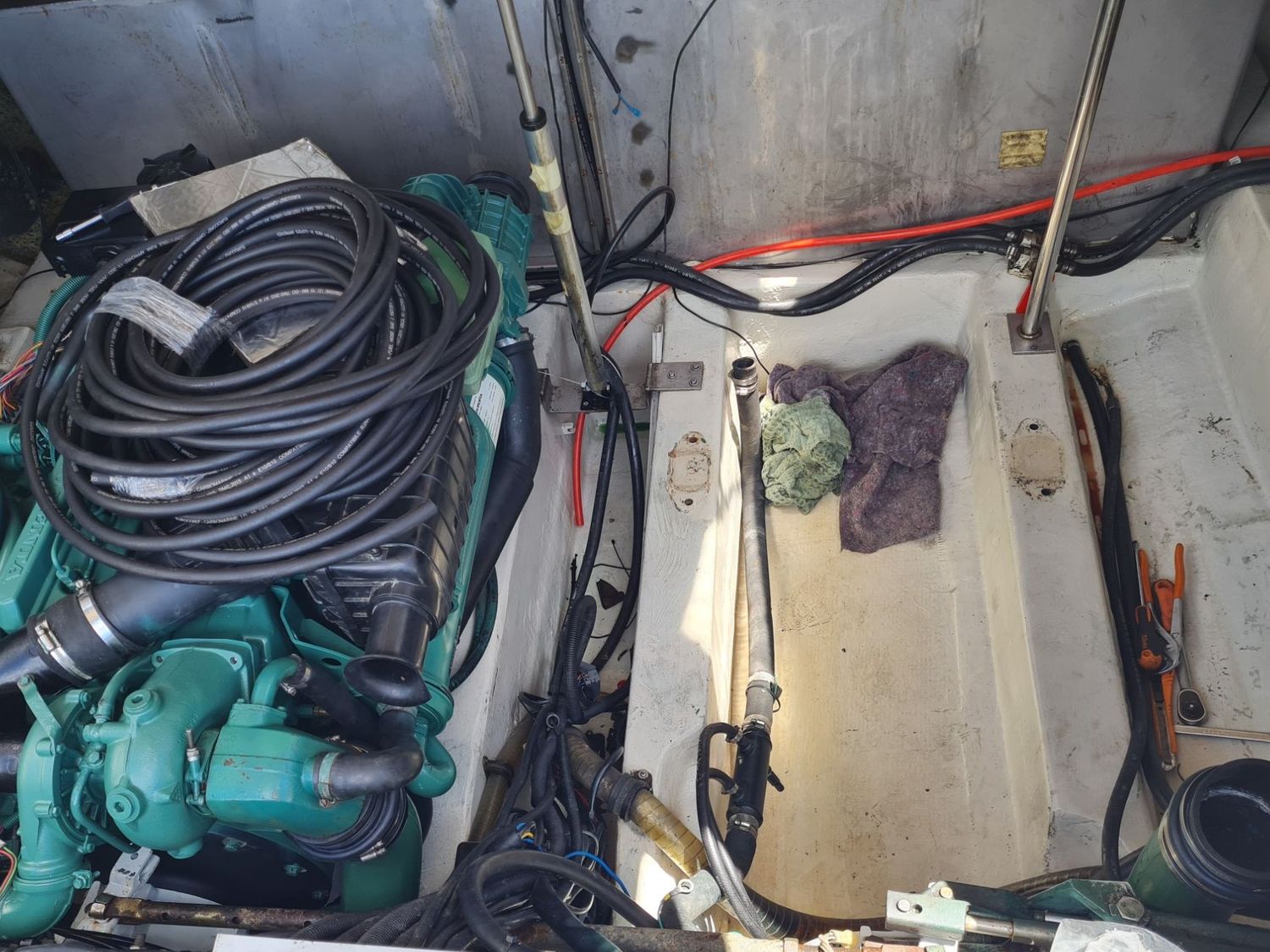
The engine needs an overhaul or the sails are due, one owner wants a new plotter, and one does not pay their part. That happens too. Usually nobody had set out beforehand what money is put aside for, who decides on spending and what applies if someone does not pay.
The template allocates the running costs, meaning berth, insurance, maintenance, winter storage and reserve, by share; fuel is paid by whoever uses the boat. Every year you adopt an annual budget and put money aside for maintenance and replacement. From the acquisition of ownership this runs through a joint account. You change the cost formula only unanimously. If someone does not pay despite a reminder and a reasonable further period, the rest of you can step in and pay for them and demand reimbursement from them.
How much you put aside, you decide in the annual budget; as a rule of thumb for the big items, 10–15% of the annual running costs applies. One of you takes a turn as contact person; you decide unanimously whether they may arrange spending on routine management on their own, up to a certain amount per item.
Who pays what and who decides what, question by question: Contract for boat co-ownership: what has to be in it?
Conclusion
None of these five stories needs a culprit. Each lacked a rule that could have been in place beforehand: how the boat is handed over, who gets which weeks, who reports and pays for damage, how someone leaves and what money is put aside for.
A contract does not prevent a scratch or an argument over use. It sets out what applies then, before anyone needs it.
That is why the conversation about these five topics belongs before buying, not after.
And if something still grates despite all the rules, one question helps: what is the annoyance worth to me? An example: if you save €10,000 in running costs a year compared with sole ownership and at the end of the year pay perhaps €1,000 as your portion of a repair, you still have €9,000 left. Anyone who gives up sharing over a scratch or a badly cleaned cabin pays for that by bearing all the running costs alone every year, and there are scratches on your own boat too.
Experiences from the founder’s circle of friends.

We share a boat because that way the purchase, maintenance and operation are spread across several shoulders and the boat gets used more. We handle the upkeep, organisation and technical side together. Along the way, co-owners have become friends.
What the contract says Guide for owners Fancy a boat chat? All guides
Legal note: This article is not legal advice. It describes the template of the Living Contract, not your individual case.