
Selling to size up: sell first or buy first?
Reading time: about 10 minutes
“For sale, owner sizing up.” That is what many boat listings say, and mostly it is true. There is nothing wrong with the boat. It has just become too small, or the owner wants something more modern: a few feet more, one more cabin, on a motorboat perhaps a flybridge.
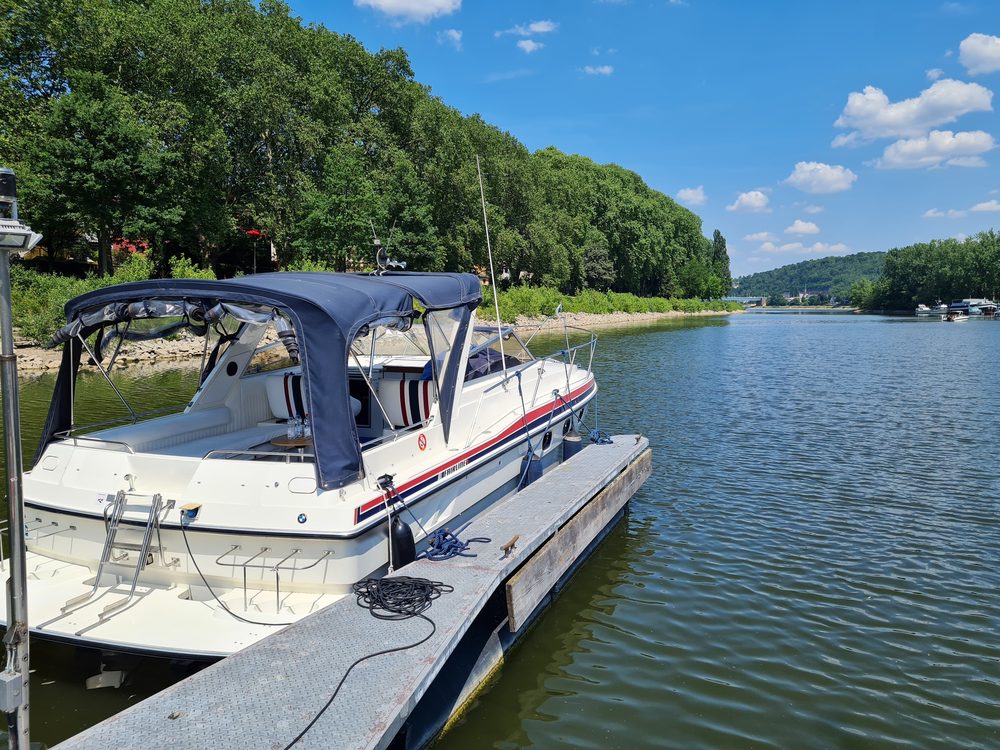
The plan sounds simple: first sell your own boat, then buy the bigger one. But it snags in two places. For your boat you need the one buyer who pays the whole price at once, and that buyer can take a while to appear. And between the sale and the purchase there may be a season without a boat.
You do not have to wait for the one buyer who pays everything at once.
This article shows how up to four buyers take over your boat together, how to time the sale and purchase, what a share in the bigger boat costs per year and what to look out for if your boat lies on the Rhine.
This guide was written for owners and buyers in Germany. Legal, tax and boat-paper points refer to German law and practice; other countries may differ.
PartABoat brings together buyers and sellers of shares in used boats, as fractional co-ownership.
1. Why moving up depends on the sale
Anyone who wants to size up often already has a size in mind and sometimes already a boat. What holds things back is seldom the new boat. It is the present one: as long as it is unsold, your money is tied up in it, and hardly anyone wants to hold two whole boats at once.
For a whole boat you are looking for a buyer who wants exactly this boat, in the right cruising area, and who can raise the whole price at once. The bigger and more expensive the boat, the smaller this circle becomes. So you wait, perhaps lower the price, and in the meantime use a boat you actually want to part with.
With shares you reach other buyers: people who want exactly this kind of boat and would rather hold it as two, three or four. Among sailors that is nothing new: the sections for co-owner groups mainly list sailing yachts. If the one buyer is missing, up to four can take their place.
2. Your boat to up to four buyers
You list your boat on PartABoat as a whole. Buyers state their preferred share, from a quarter up to three quarters. If their shares together make up the whole boat, a group of buyers is ready for your boat. If a single buyer wants the boat alone, they can buy it just the same. Both are a whole-boat sale: you part with your whole boat.
You are bound only when the buyers’ shares together make up the whole boat, you have confirmed the group and your offer has reached the buyers. Option fee: their price for you committing the boat to this group alone for 45 days. A buyer owes it to you only if they do not buy in the end, and then pays it when the option period ends.
The option period begins once all buyers have accepted and lasts 45 days, longer only if a replacement procedure runs after a buyer drops out (at most 23 days more). Until you are bound to a group of buyers, you can also sell your boat elsewhere, and you may list it on other platforms at the same time.
The buyers get to know each other before the purchase and set down in the Living Contract (co-owner agreement) how they will use the boat and split the costs. After the sale you are not part of their co-owner group. How the process works step by step for owners is set out under How it works for owners.
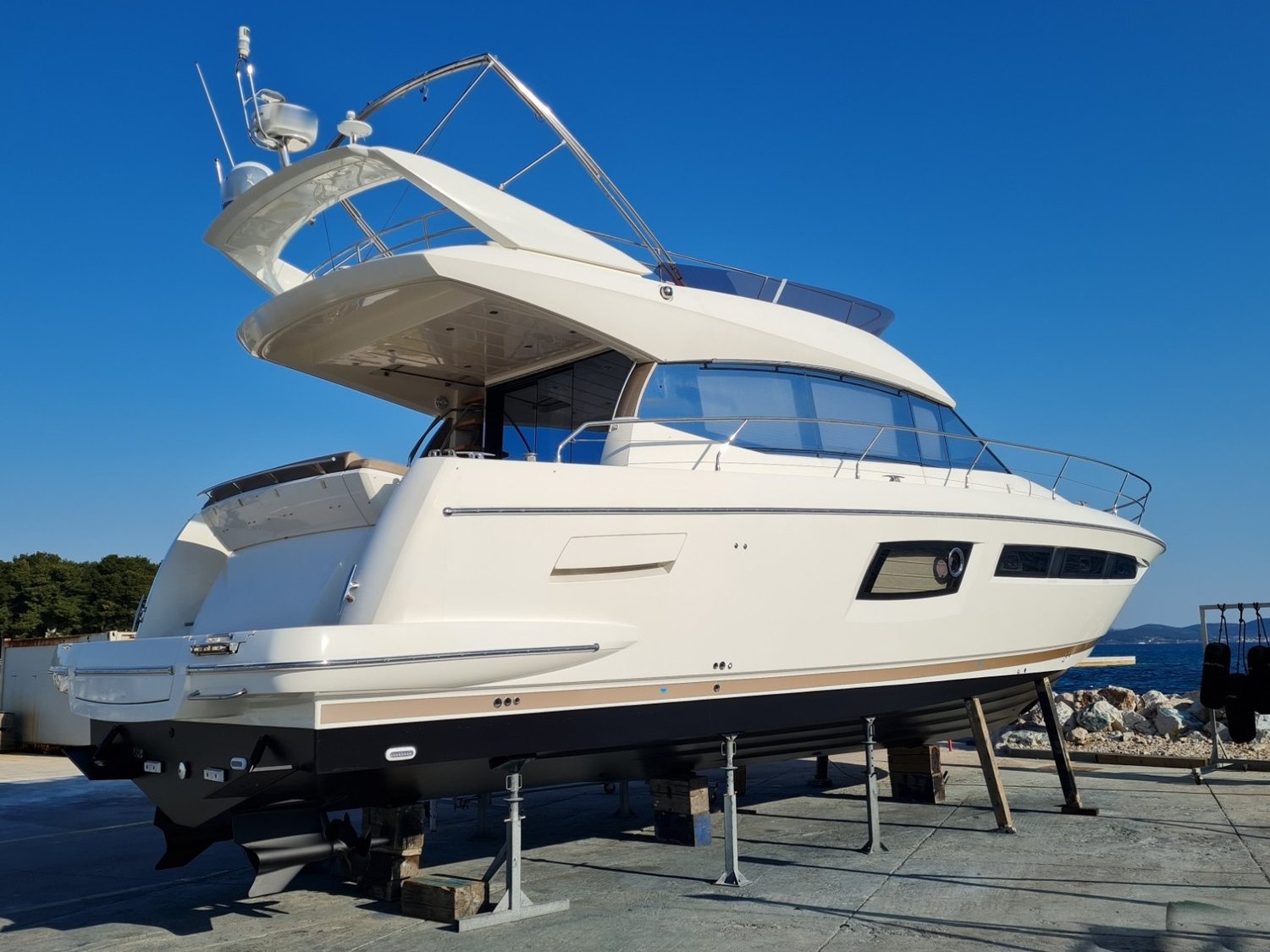
3. Sell first or buy first?
At PartABoat these are two separate purchases. No contract makes one depend on the other, and PartABoat does not link them. That is your room for manoeuvre:
Sale and purchase run separately; you decide what happens when.
Until you are bound to a group of buyers, your boat stays your boat, and you carry on using it. If you list it after the season, the selling period falls in the winter. How long it takes depends on the boat, price and cruising area; we do not yet have figures based on experience. If you list this winter, you also fall within the introductory offer (chapter 6).
You buy the share in the bigger boat when it suits you. Look at boats while yours is listed; registering interest is free and non-binding.
Whether a season without a boat lies between the two purchases depends on when buyers come forward for your boat and when a bigger one becomes available. Nobody can promise that. If you buy first, you hold two boats for a while. If you sell first, you may miss a summer afloat. With a share the first case is easier to bear: on the bigger boat you pay only your share of the purchase price and of the ongoing costs.
4. What the bigger boat costs per year
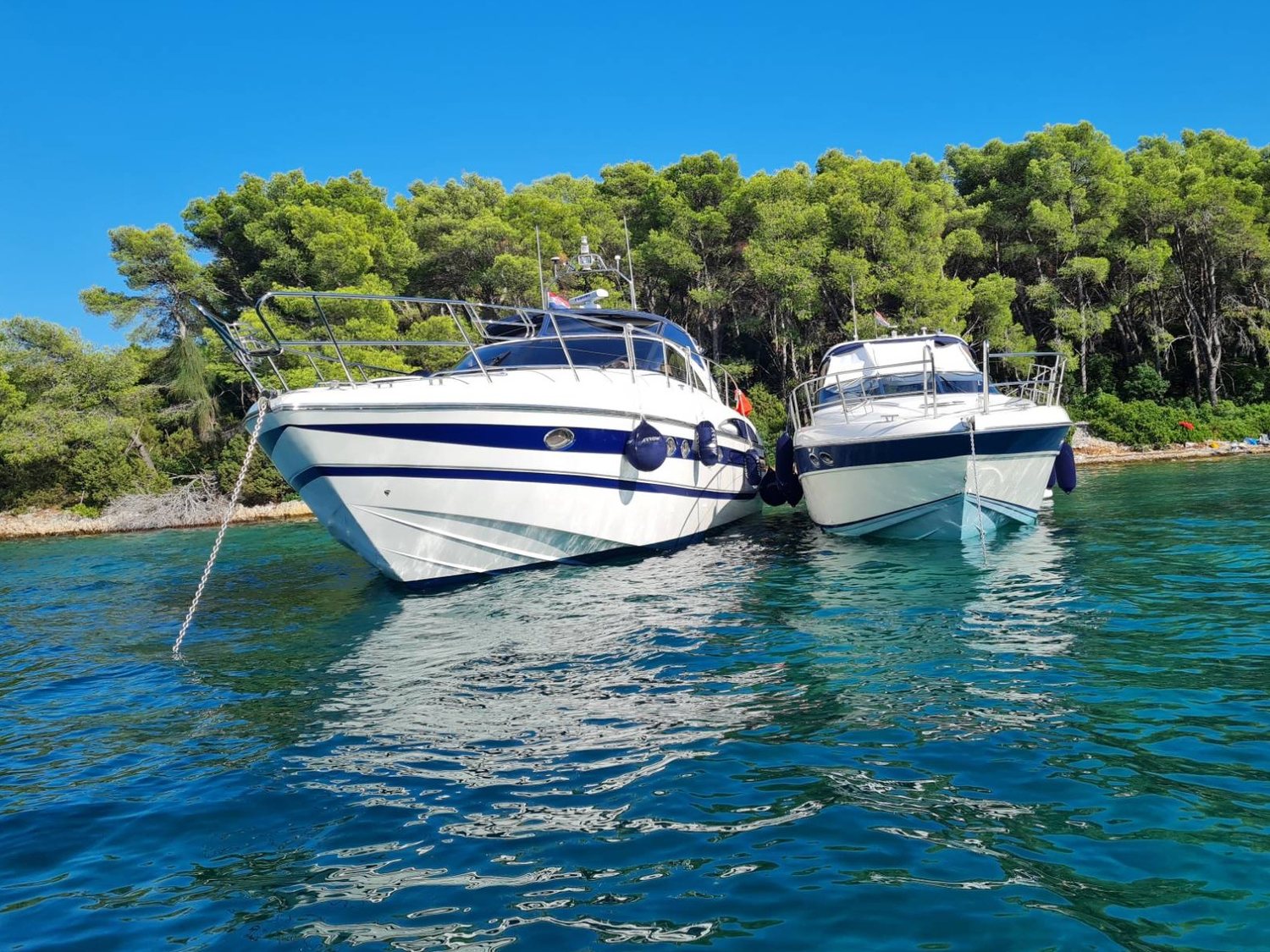
A few metres more boat: what does that mean per year? Two examples from Croatia, with motor yachts and with sailing yachts. The table shows what a quarter costs you in running costs per year.
| Smaller yacht | Bigger yacht | Extra per year | |
|---|---|---|---|
| Motor yacht, 11 and 13 m (36 and 43 feet) | about €4,125 | about €4,875 | €750 |
| Sailing yacht, 10 and 12.5 m (33 and 41 feet) | about €2,500 | about €3,125 | €625 |
On the motor yacht that is €750 more a year for two metres more boat.
If the 13-metre yacht costs €230,000, you pay €57,500 for a quarter.
On the sailing yacht that is €625 more a year for two and a half metres more boat. If the 12.5-metre yacht costs €100,000, you pay €25,000 for a quarter.
Would you rather have just one co-owner? Then buy a half. On the 12.5-metre yacht you then bear around €6,250 in running costs per year. If a sole owner sells half of their boat, there will definitely be two of you; in a whole-boat sale, it emerges while the group is being put together whether one person buys the other half or two people buy a quarter each. State ½ as your preferred share.
All figures are guide values. Basis: about €1,000/m/year in running costs for sailing boats, from market research, and about €1,500/m/year for motorboats, from our own experience, both in Croatia. What it really costs you depends on boat, year of build, cruising area and condition.
What to look at on the bigger boat before buying is set out in the Checklist for buying a boat and in Checking a boat engine: what you can test yourself before buying.
5. Selling on the Rhine: buyers from nearby, trips at the weekend

On the Rhine people go out mainly at weekends, not for weeks of holiday. Anyone buying a boat share on the Rhine wants to be able to get on board on a Friday evening. So the buyers for your boat mostly come from the surrounding area, not from all over Germany as with a boat in Croatia.
What counts most for them are the summer weekends. How they divide these up they set together in the usage plan of the Living Contract; after that it can be changed only unanimously. If you buy the bigger boat on the Rhine too, the same goes for you.
Clear up the berth before you list. Many berths on the Rhine are in harbours run by boating associations, and a berth generally does not pass to the buyers with the boat: whether they can take it over is decided by the association or the harbour. If that is settled beforehand, you can put it in the listing, and your buyers know where they stand.
If your boat is ashore in winter, buyers can view it there; a sea trial or test sail is possible only once it is back in the water. If you list in the autumn, plan the sea trials or test sails for spring.
On inland waters, including the Rhine, you can reckon with about €800–1,000/m/year for a motorboat, from our own experience, and about €600/m/year for a sailing boat, from market research; winter storage ashore is included in each case.
Ekki, the founder of PartABoat, is himself a co-owner of a motorboat on the Rhine.
6. What the sale costs you
5.5% commission on the value of the share, at least €350 per buyer, only on a successful sale and due only after completion, for a buyer without a service agreement with PartABoat after the purchase contract. No listing fee. Anyone who places a listing by 28 February 2027 pays no commission for that listing if the purchase contract is concluded by 31 December 2027 (terms of the offer). With a sailing yacht at €100,000, sold to four buyers at a quarter each, it is €1,375 per buyer; with the offer €0, provided the listing is created by 28 February 2027 and the purchase contract is concluded by 31 December 2027.
PartABoat is paid by both sides: you pay the commission, and each buyer of a share pays a one-off structuring fee; anyone buying the whole boat alone pays none. Both fall due only after completion, the commission for a buyer without a service agreement with PartABoat already after the purchase contract. If you yourself buy a share in the bigger boat through PartABoat, you pay it as a buyer: at least €500, at most €1,500, in between 1.5% of the value of the share. The statutory 14-day right of withdrawal applies to the brokerage agreement; details are in the instructions on withdrawal.
Commission, structuring fee and option fee are final prices. Any statutory VAT and other price components are contained in them.
The purchase contract and the Living Contract are signed, and only after that do the buyers pay the purchase price. The purchase price never goes to PartABoat: the buyers transfer it to you only on the handover date, once keys and papers have been handed over.
PartABoat is just starting: listing and enquiries already work. Until PartABoat accompanies the purchase, you buy directly; you then organise getting to know each other and forming the group yourselves. How to secure the purchase price is set out in the information sheet.
7. Frequently asked questions
And if only two out of four buy?
Then you sell nothing. You are bound only when the buyers’ shares together make up the whole boat, you have confirmed the group and your offer has reached the buyers. Until then you can also sell your boat to a single buyer. If, after the purchase contract, one of the buyers drops out and nobody takes over their share, that share reverts to you for a limited period and you sell it on; the purchase contract sets this out.
Do I have to buy the bigger boat through PartABoat as well?
No. Sale and purchase are separate. You can sell your boat through PartABoat and buy the bigger one wherever you like, or the other way round.
What documents do I need for the sale?
That you are the owner is shown by the documents on your own purchase; you hand these over to the buyers as far as you have them. Added to these are the boat papers and, if available, the maintenance records. If your boat is entered in the ship register, the register needs declarations from you and the buyers with notarially certified signatures for the transfer of the entry.
Conclusion
If you are selling to size up, you do not have to wait for the one buyer who pays everything at once. Up to four buyers can take over your boat together, each with a share. You buy the bigger boat at your own pace, alone or with one to three co-owners.
List your boat while you are still using it. Until you are bound to a group of buyers, it stays your boat.
Create a listing View boats Fancy a boat chat? All guides
About the author: Ekki is the founder of PartABoat and a co-owner of two motorboats, one in Croatia, the other on the Rhine. Together with a friend he has used five boats over the years. Along the way he has seen that co-ownership works when the rules are right, and that is why PartABoat exists.